 EN
EN
 jp
jp  ko
ko  de
de  es
es  it
it  ru
ru  pt
pt  ar
ar  vi
vi  th
th 
CLOSE
CLOSE
Search
Choosing the right acrylic acid supplier is an important decision for industrial buyers purchasing raw materials for coatings, adhesives, water treatment chemicals, superabsorbent polymers, and acrylate production. While price affects procurement decisions, buyers should also consider product consistency, supply capability, documentation, packaging options, and technical support before selecting a long-term supplier.
A reliable supplier should provide stable acrylic acid quality and clear information about specifications, storage conditions, and shipment requirements. For companies comparing acrylic acid manufacturers and acrylic acid suppliers, understanding these evaluation factors can help reduce supply risks and improve production stability.
When evaluating an acrylic acid supplier, buyers should look beyond quotation prices and product availability. A suitable supplier should have reliable production capacity, strict quality control procedures, and experience supporting different industrial applications.
Production stability is especially important for manufacturers that rely on continuous raw material supply. Delays or inconsistent product quality can affect downstream production schedules and increase operational costs.
Buyers should also evaluate whether the supplier can provide complete technical documentation, flexible packaging options, and professional communication throughout the procurement process. Experienced acrylic acid manufacturers often have better control over production consistency and can support customers with application-related requirements.
For companies working with multiple acrylic acid suppliers, comparing specifications, delivery capability, and service support can provide a more complete evaluation than comparing price alone.
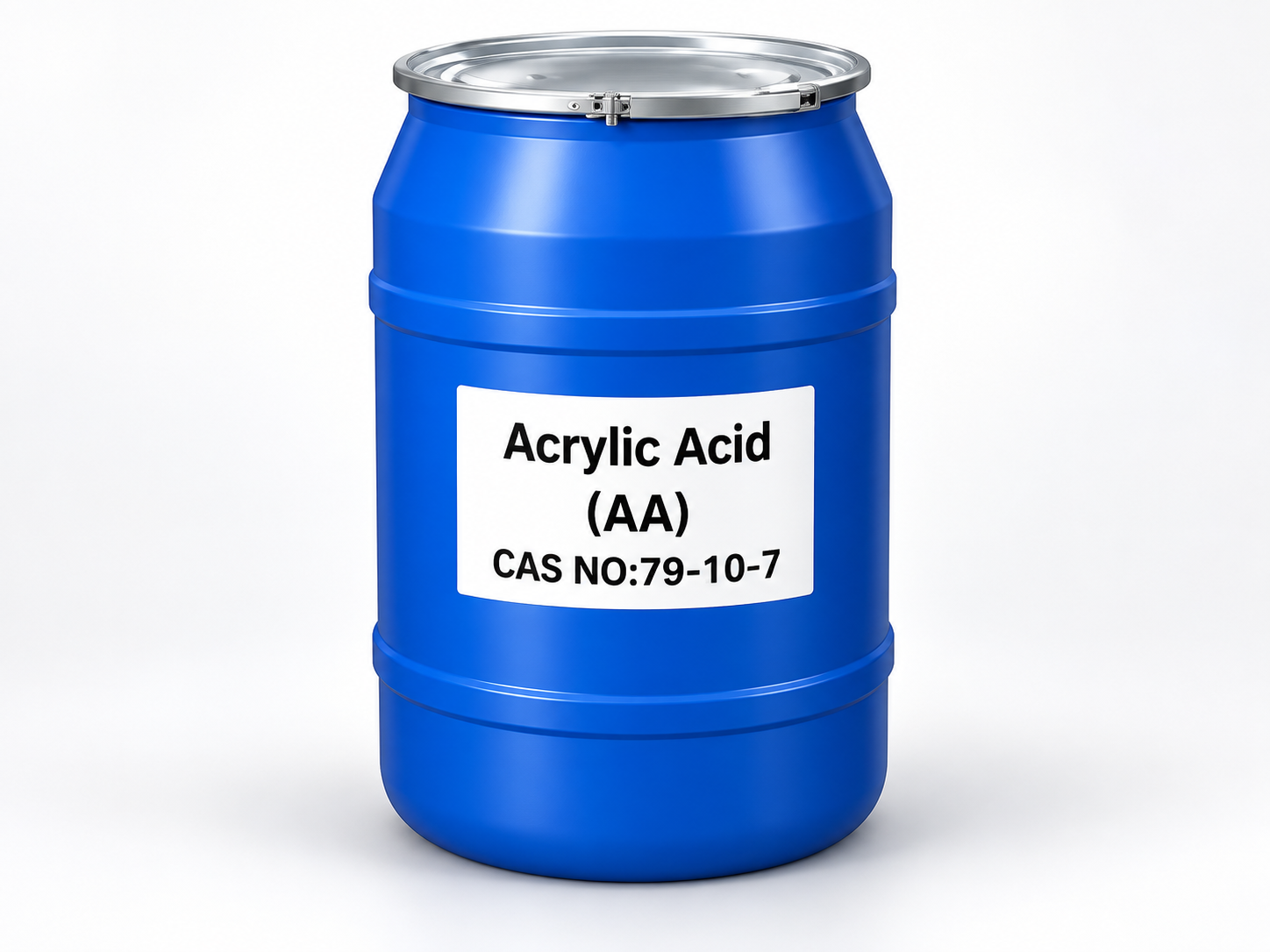
Product quality directly influences processing performance and final product consistency. Before placing bulk orders, industrial buyers should review key quality parameters and confirm that they match their application requirements.
Important factors to check include:
Purity consistency: Stable purity helps maintain predictable performance during polymerization and formulation processes.
Inhibitor content: Proper inhibitor levels support storage stability and help reduce unwanted polymerization during transportation and storage.
Water content: Moisture levels should meet the requirements of the intended production process.
Acidity specifications: Acid value and related parameters should be confirmed according to technical requirements.
Batch consistency: Similar performance between batches helps maintain stable manufacturing results.
A complete quality checklist allows buyers to compare suppliers more effectively and identify whether the material is suitable for their specific production needs.
Packaging selection affects transportation efficiency, storage planning, and handling requirements. The right packaging method depends on order volume, application needs, and supply frequency.
| Packaging Option | Suitable For | Key Considerations |
| Drum Packaging | Small and medium-volume purchases | Flexible storage, easier handling, suitable for smaller production requirements |
| Isotank Transportation | Large-volume industrial supply | More efficient for bulk transportation and continuous consumption |
For companies purchasing acrylic acid in smaller quantities, drum packaging may provide easier inventory management. For large-scale industrial users, isotank delivery can improve logistics efficiency and reduce repeated packaging handling.
A professional acrylic acid supplier should be able to recommend suitable packaging solutions based on customer demand, storage conditions, and transportation requirements.
Documentation is an essential part of chemical procurement. Before confirming an order, buyers should request important documents such as the Certificate of Analysis (COA) and Safety Data Sheet (SDS).
COA provides batch-specific information, including test results and product specifications, while SDS explains safety handling, storage conditions, and transportation requirements. These documents help companies maintain internal quality systems and ensure proper material management.
Batch traceability is also important for industrial buyers. When production issues occur, traceable batch information allows manufacturers to identify raw material sources and review relevant quality data.
For buyers who want to better understand production processes, learning how is acrylic acid made can provide additional insight into manufacturing methods and supplier capabilities.
Different acrylic acid applications have different performance requirements. Buyers should select materials according to their final products, processing methods, and quality expectations.
Common application areas include:
Water treatment chemicals
Acrylic coatings and resins
Adhesives and sealants
Superabsorbent polymers
Acrylate ester production
For example, water treatment applications may require stable chemical performance and consistent specifications, while coatings and adhesive production may focus more on polymerization behavior and formulation compatibility.
Understanding the target acrylic acid applications helps buyers communicate requirements more clearly and allows suppliers to provide more suitable product recommendations.
Selecting the right acrylic acid supplier requires a comprehensive evaluation of product quality, documentation, packaging, supply stability, and application suitability. Although price is an important consideration, long-term procurement success depends on consistent quality and reliable supplier support. By comparing acrylic acid manufacturers based on technical capability and service performance, industrial buyers can build a more stable raw material supply chain and reduce production risks.
Acrylic acid price can be influenced by raw material costs, market conditions, order quantity, packaging method, transportation requirements, and supply availability.
MOQ depends on the supplier, packaging format, production capacity, and customer requirements. Buyers should confirm minimum order quantities before planning procurement.
Acrylic acid should be stored according to supplier recommendations, including suitable temperature control, packaging conditions, and safety requirements.
Buyers should review product specifications, quality documentation, production capability, packaging options, delivery reliability, and technical support before selecting a supplier.
COA provides batch-specific quality information, while SDS provides safety, handling, and storage guidance. Both documents help ensure proper industrial use and quality management.
Related News

Contact Us for More Information about Douwin Chemicals
Get in Touch
Email us with any questions or inquiries or use our contact data. We would be happy to answer your questions.